A Pioneer Of Embodied Intelligent Special-Purpose Robots Focusing On Confined Space

EN
  • EN
  • 中文
  • ES
  • عربي
  • RU
NEWS

Related Recommendations


P50E5.png

Overcoming Operational Challenges of Pipe Crawler Robots in Complex Pipe Networks

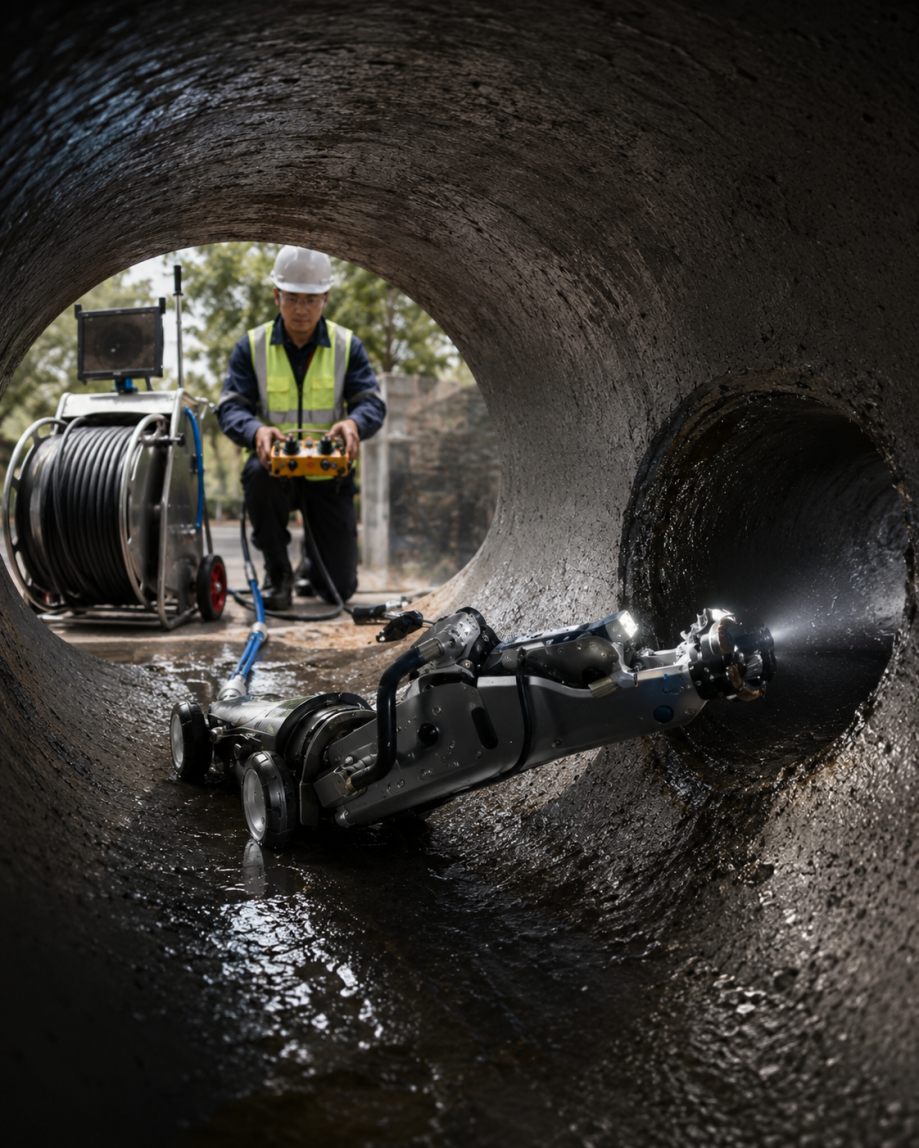
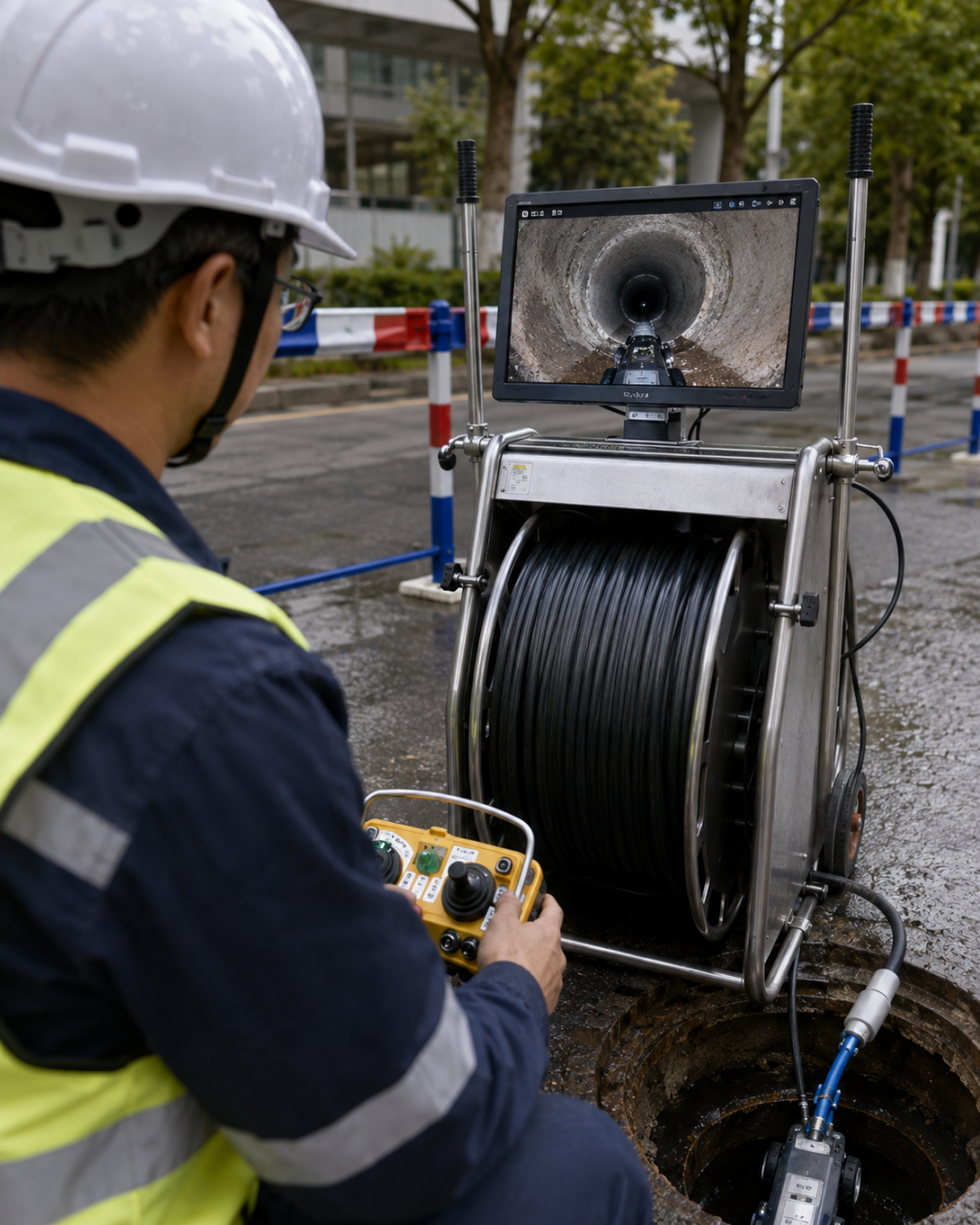
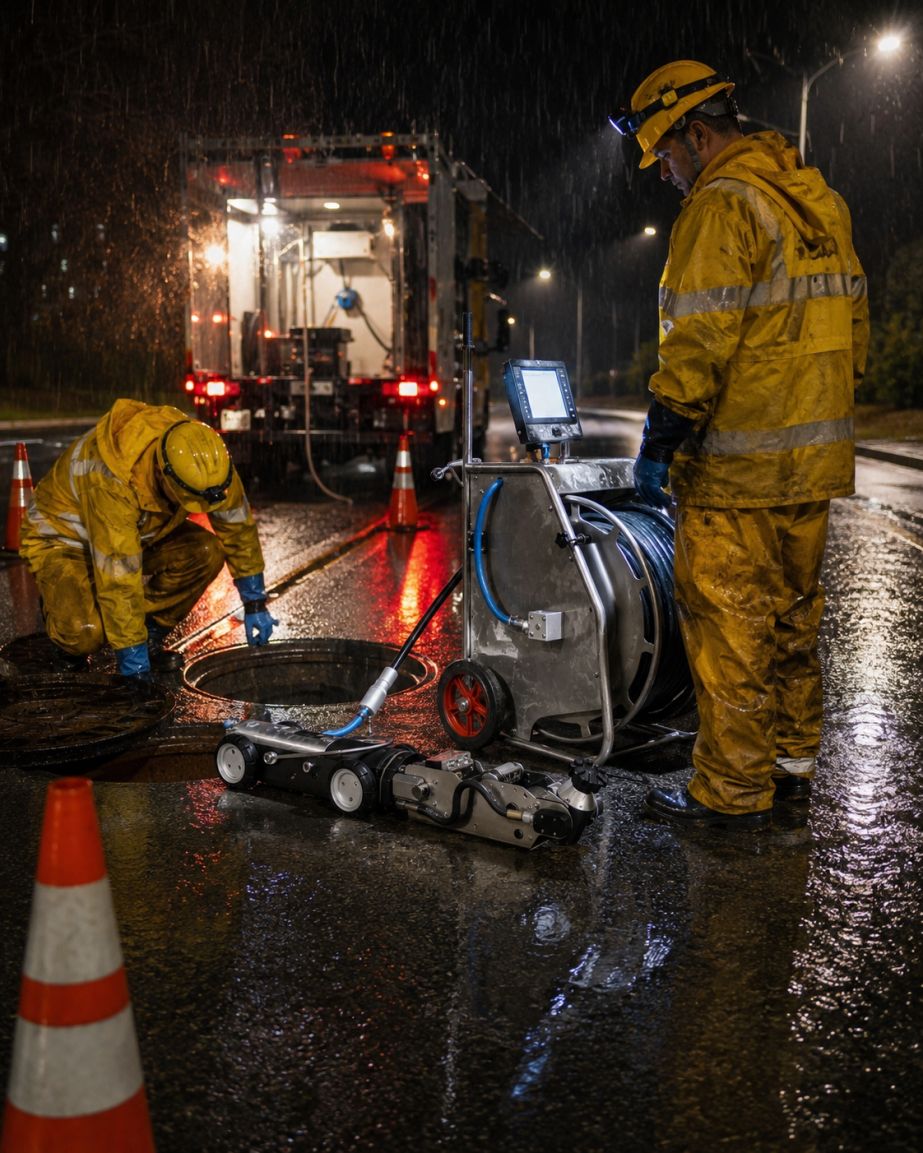
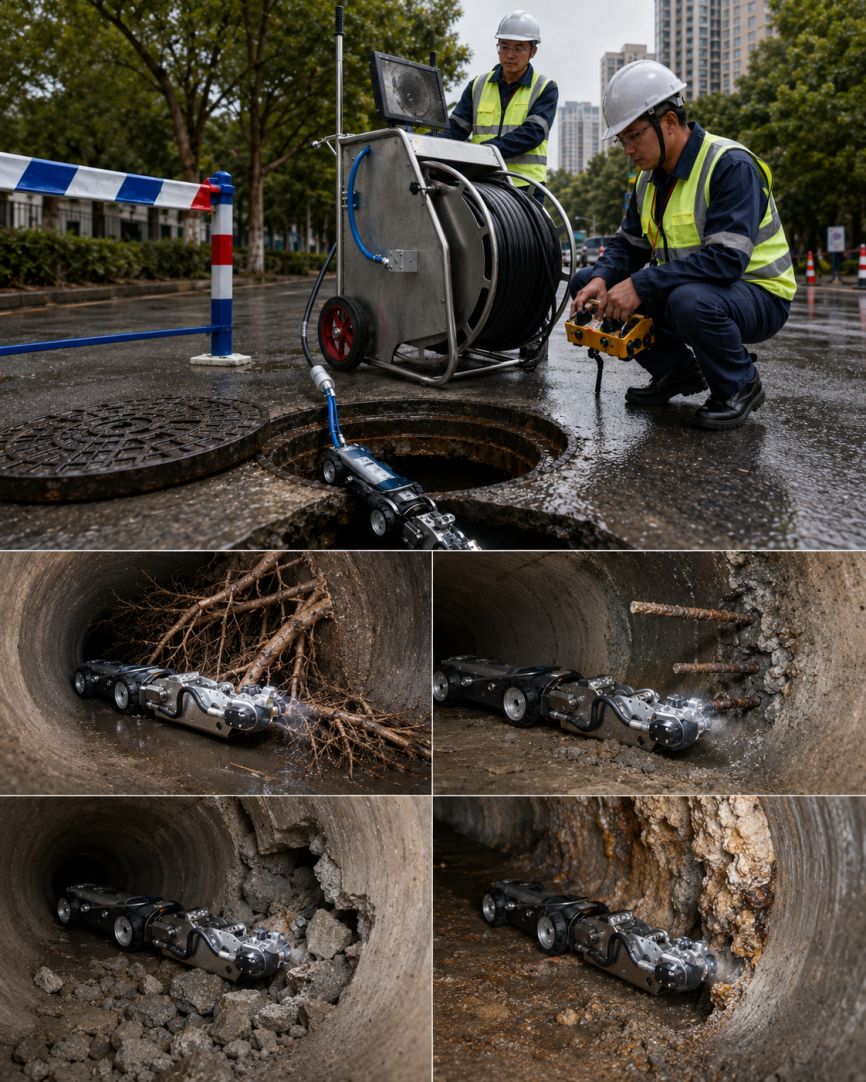
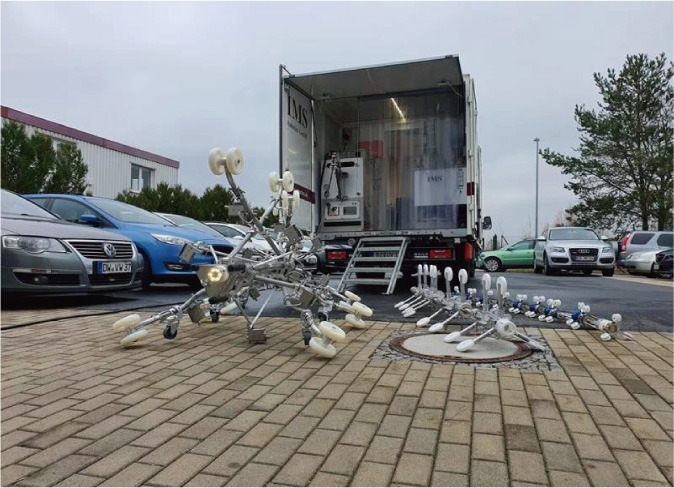
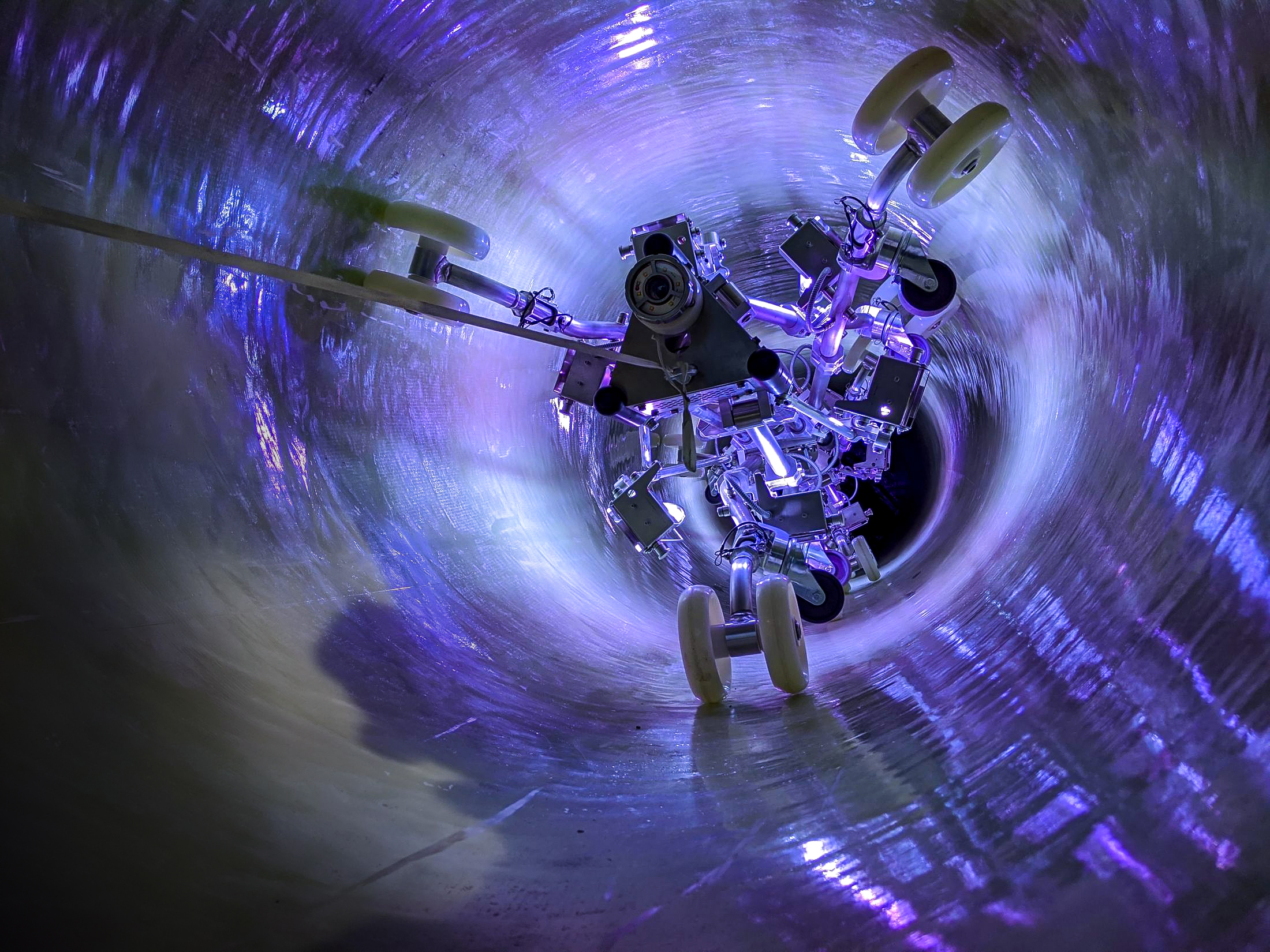
Pipe robots are becoming essential tools for modern pipeline infrastructure inspection and maintenance. Widely used in industries such as oil and gas, municipal water management, wastewater systems, and industrial facilities, these robotic systems enable efficient and safe inspections inside complex pipe networks where manual access is difficult or dangerous. Compared with traditional inspection methods, pipe crawler robots significantly improve inspection accuracy, operational safety, and maintenance efficiency. Equipped with advanced cameras, sensors, and remote control systems, they can travel through pipelines to collect real-time visual data and detect structural defects, corrosion, blockages, and leaks. These capabilities make pipe crawler robots an important solution for pipeline inspections and preventive maintenance programs. However, operating inside complex pipe networks presents several technical challenges. One major issue is limited maneuverability within narrow pipes, sharp bends, and irregular pipeline structures. To overcome this, modern pipe crawler robots are designed with articulated chassis structures, omni-directional wheels, and intelligent navigation systems that allow them to move smoothly through challenging pipeline environments. Another challenge is maintaining stable communication and control during pipeline inspections. Since pipelines are enclosed spaces that can weaken wireless signals, engineers are developing alternative communication solutions such as cable-based systems, acoustic transmission, and magnetic communication technologies to ensure reliable data transmission and real-time monitoring. Pipe crawler robots must also operate in hazardous environments that may contain corrosive liquids, toxic gases, or high humidity. To address these risks, manufacturers design robots with corrosion-resistant materials, sealed protective housings, and environmental sensors that monitor gas levels and temperature during inspections.